The Ultimate Guide to Solar Energy: Benefits, Costs & Why It’s the Future of Power
Solar energy has quickly become one of the smartest, cleanest, and most cost-effective power solutions for homes and businesses in India. Whether you’re planning to install solar soon or you’re simply curious about how it works, this friendly, easy-to-understand guide will give you everything you need to know.
Let’s break down what solar energy is, how it saves money, and why more Indians are switching to clean renewable power every year.
🌅 What Exactly Is Solar Energy?
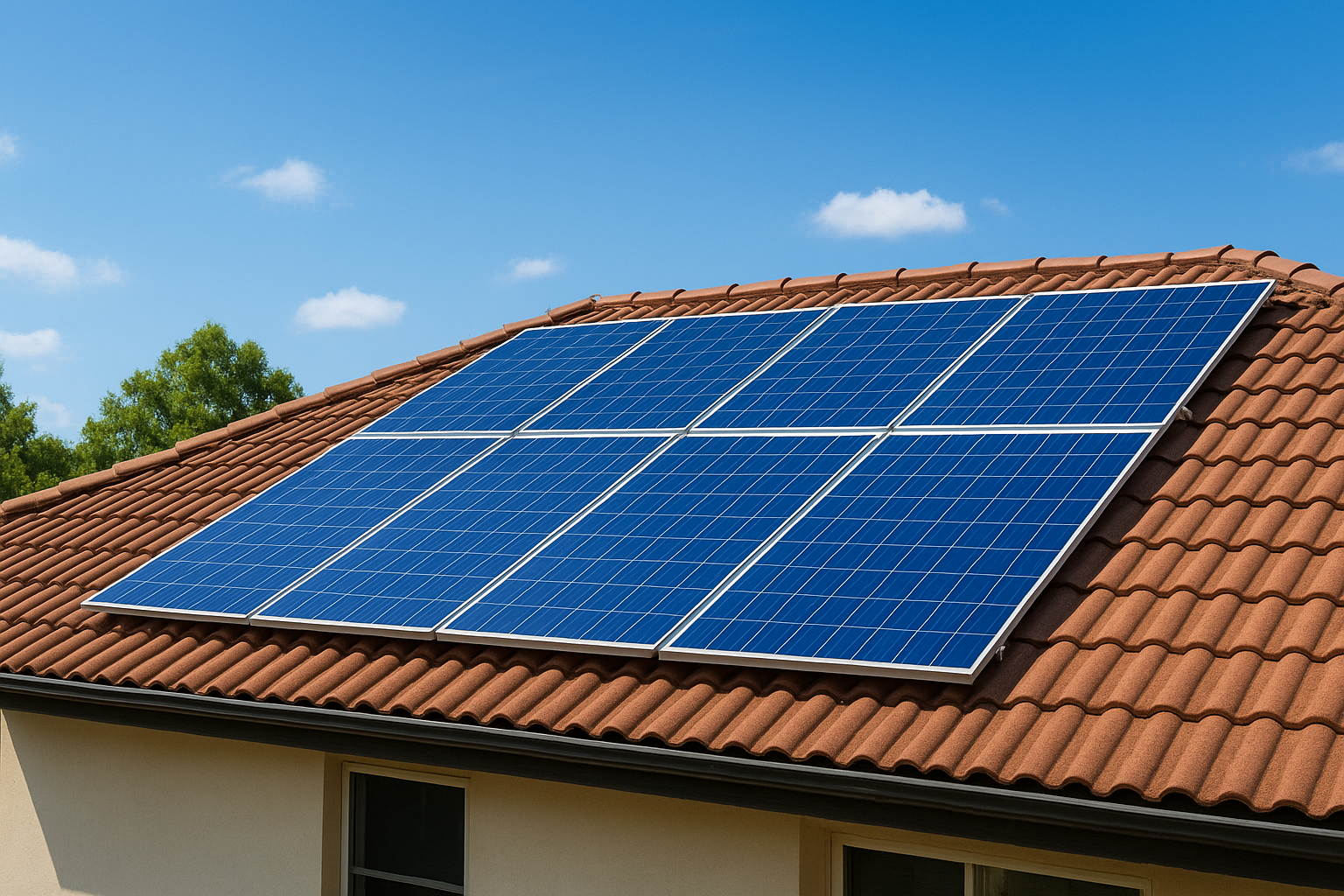
Solar energy is simply the power we get from the sun. With the help of photovoltaic (PV) cells, solar panels capture sunlight and turn it into clean, usable electricity. The process is simple, clean, and renewable — meaning the sun never runs out, and we don’t have to burn fossil fuels.
Today, solar energy is used everywhere:
✔ Homes
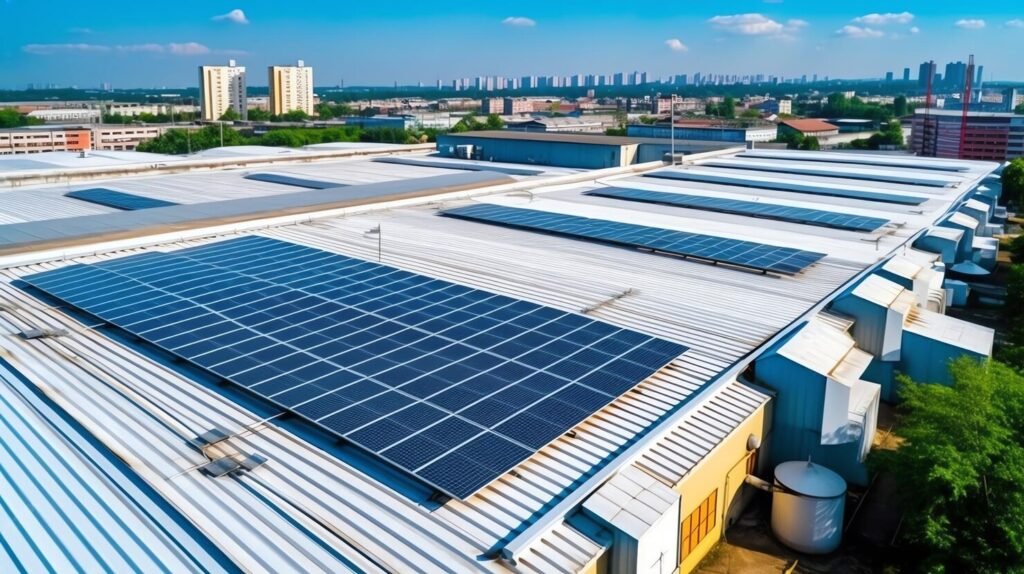
✔ Commercial buildings
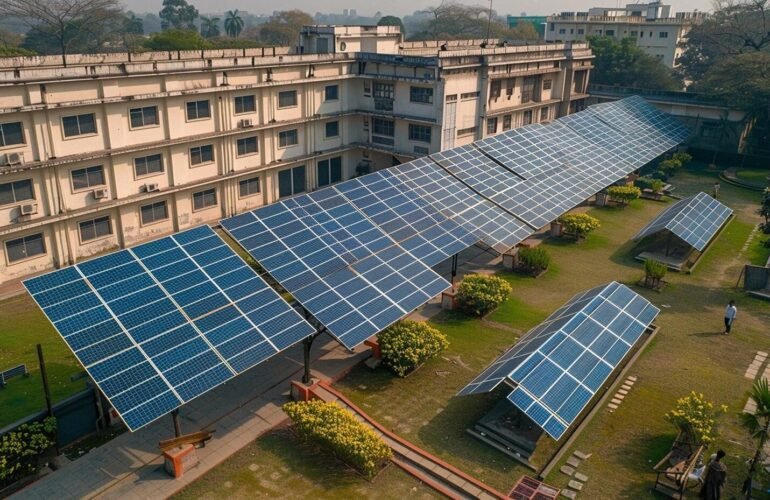
✔ Schools
✔ Factories
✔ Farms
✔ Government projects
Thanks to modern technology, solar energy is now more affordable and efficient than ever.
🌤️ Why Are So Many People Switching to Solar?
Switching to solar is no longer just about “going green” anymore.. It’s about saving money, reducing dependency on the grid, and enjoying long-term benefits.
⭐ 1. Massive Savings on Electricity Bills
This is the #1 reason people choose solar. Once your panels are installed, you start generating free electricity from the sun. Many homeowners reduce their electricity bills by 60–90%.
⭐ 2. Protection From Rising Electricity Costs
Electricity tariffs in India go up almost every year. Solar protects you from these price hikes because you generate your own power.
⭐ 3. Low Maintenance & Long Lifespan
Solar panels are built to last. With basic cleaning and annual checkups, they work efficiently for 25+ years.
⭐ 4. Renewable & Eco-Friendly
Solar energy produces zero pollution, making it one of the cleanest energy sources on the planet.
⭐ 5. Great Return on Investment (ROI)
Most families recover their solar investment within 3–5 years, and the savings continue for decades.
⚡ How Do Solar Panels Actually Work?
A solar system might look complicated, but the working process is very simple. Here’s how it happens:
🔹 Step 1: Sunlight Hits the Panels
When sunlight falls on the solar panels, the PV cells absorb the energy.
🔹 Step 2: Energy is Converted to Electricity
This energy becomes direct current (DC) electricity.
🔹 Step 3: Inverter Converts DC to AC
Since your home appliances need alternating current (AC), the inverter converts DC to AC power.
🔹 Step 4: Power Your Home
Now the solar-generated electricity runs your lights, fans, fridge, AC, and all other appliances.
🔹 Step 5: Excess Power Goes to the Grid
If your system is connected to net metering, extra electricity is sent to the grid, reducing your bill even more.
Solar systems are smart, automated, and efficient — you hardly have to do anything once it’s installed.
🏡 Types of Solar Systems You Can Install
Choosing the right solar system depends on your usage and budget.
1. Grid-Tied Solar System
This system stays connected to the electricity grid.
✔ Cheapest option
✔ Ideal for homes and shops
✔ Great for net metering
✘ Doesn’t work during power cuts without a battery backup
2. Off-Grid Solar System (With Battery)
This system stores extra electricity in batteries.
✔ Perfect for areas with frequent power cuts
✔ Works even during outages
✔ Good for remote locations
✘ Slightly more expensive due to batteries
3. Hybrid Solar System
A combination of grid-tied + battery backup.
✔ Works even when power goes out
✔ Lets you use the grid + battery together
✔ Ideal for homes and businesses with 24×7 power needs
✘ Costlier than basic systems
💰 What Is the Cost of Solar in India?
The cost depends on the system size, brand, and type. Here’s a simple average cost breakdown:
| System Size | Suitable For | Average Cost (INR) |
|---|---|---|
| 1 kW | 1–2 room home | ₹45,000–₹65,000 |
| 2 kW | Small home | ₹90,000–₹1,30,000 |
| 3 kW | Medium home | ₹1,50,000–₹1,90,000 |
| 5 kW | Large home | ₹2,50,000–₹3,30,000 |
| 10 kW | Villas/business | ₹5,00,000–₹6,50,000 |
Prices may vary depending on:
• Location
• Brand (Adani, Waaree, Vikram, RenewSys, etc.)
• Type (on-grid, off-grid, hybrid)
• Installation structure
• Inverter technology
But overall, solar has become much more affordable compared to 5–10 years ago.
.
🏛️ Government Subsidy for Solar Panels
Did you know you can get a government subsidy for installing a rooftop solar system?
Under the PM Surya Ghar Yojana, homeowners can get:
Up to ₹78,000 subsidy for rooftop solar
Mandatory net metering
Simple online application
Faster approval process
This makes solar installations even easier and more affordable for Indian families.
🧹 Do Solar Panels Need Maintenance?
Solar panels require very minimal maintenance, but a small amount of care helps keep efficiency high.
Recommended Maintenance:
Clean panels every 2–3 months
Annual system inspection
Check wiring and inverter status
Keep surrounding area dust-free
Most people use solar maintenance services to avoid hassle and ensure smooth performance year-round.
🏢 Solar for Homes vs. Solar for Businesses
Solar for Homes
Perfect for reducing monthly electricity bills. Homeowners usually choose 1–5 kW systems.
Solar for Businesses
Businesses benefit hugely from solar because they use more power.
Commercial systems (10 kW to 500 kW) offer:
✔ High savings
✔ Tax benefits
✔ Fast ROI
✔ Lower operating costs
Industries especially save lakhs every year by switching to solar.
🌍 The Future of Solar Energy in India
India is rapidly emerging as a global leader in renewable energy.. The government plans to install 500 GW of clean energy by 2030 — and solar will play the biggest role.
Future solar innovations include:
✔ Solar tiles
✔ Solar-integrated roofs
✔ AI-based solar monitoring
✔ High-efficiency panels
✔ Ultra-light flexible solar sheets
This means solar will become even cheaper and more accessible in the coming years.
🟡 Final Thoughts: Should You Switch to Solar?
Absolutely — and sooner than you think!
Going solar is honestly one of the smartest investments you can choose.make today.. You enjoy lower electricity bills, long-term savings, clean energy, and complete freedom from rising electricity costs.
Solar is not just a trend — it’s the future. And by going solar now, you’re not only saving money but also contributing to a cleaner, greener India.