How Solar Power Helps Reduce Electricity Bills
Electricity prices are increasing every year, and many homeowners are looking for smarter ways to manage their monthly expenses. One of the smartest ways to reduce electricity costs today is by using solar With growing awareness about renewable energy and rising utility costs, more people are switching to solar systems for their homes and businesses.
Understanding how solar power works and how it helps reduce electricity bills can help homeowners make informed financial decisions. A properly installed solar system can provide long-term savings, energy independence, and environmental benefits.
In this guide, we will explain how solar reduces electricity costs, how solar systems work, and why solar energy is becoming one of the most popular energy solutions worldwide.
What Is Solar Power?
Solar power is electricity generated using sunlight. Solar panels capture sunlight and convert it into usable electrical energy through photovoltaic (PV) technology.
A typical residential solar system includes:
- Solar panels
- Solar inverter
- Mounting structure
- Electrical wiring
- Battery storage (optional)
The electricity generated by solar panels can be used to run home appliances, lights, fans, and other electrical devices.
How Solar Power Generates Electricity
To understand how solar power reduces electricity bills, it is important to know how the system works.
Solar panels contain photovoltaic cells made from semiconductor materials. When sunlight reaches these cells, it activates electrons and generates direct current (DC) electricity.
A solar inverter converts DC electricity produced by solar panels into AC electricity suitable for homes and businesses. .
This process allows homeowners to generate their own electricity using free sunlight.
How Solar Power Helps Reduce Electricity Bills
One of the biggest advantages of solar is that it reduces dependence on electricity supplied by utility companies.
Instead of purchasing all electricity from the grid, homeowners use the electricity generated by their solar system. This directly lowers monthly power consumption from the utility provider.
As a result:
- Electricity bills decrease
- Dependence on grid electricity reduces
- Long-term savings increase
This is the main reason why many homeowners are investing in solar power systems.
Free Electricity from Sunlight
Sunlight is completely free and available every day. Once a solar system is installed, homeowners can generate electricity without paying fuel costs.
Although there is an initial installation expense, solar systems continue producing electricity for decades.
This means:
- Lower monthly utility bills
- Reduced electricity expenses over time
- Better financial savings in the long run
Most solar systems operate efficiently for 25 years or more.
Reduced Dependence on Utility Companies
Traditional electricity is generated using coal, gas, and other fossil fuels. Utility companies charge customers based on energy consumption.
With solar power, homeowners can generate electricity independently.
Benefits include:
- Lower electricity purchases from the grid
- Reduced impact of rising electricity tariffs
- Greater energy independence
The more electricity your solar system generates, the less electricity you need to buy.
Net Metering and Additional Savings
Net metering is one of the most important financial benefits of solar systems.
What Is Net Metering?
When your solar panels produce excess electricity, the extra energy is sent back to the electricity grid.
In return:
- Homeowners receive electricity credits
- These credits reduce future power bills
Net metering ensures that excess solar energy is not wasted and increases overall savings.
This system makes solar power even more cost-effective for residential users.
Lower Monthly Electricity Bills
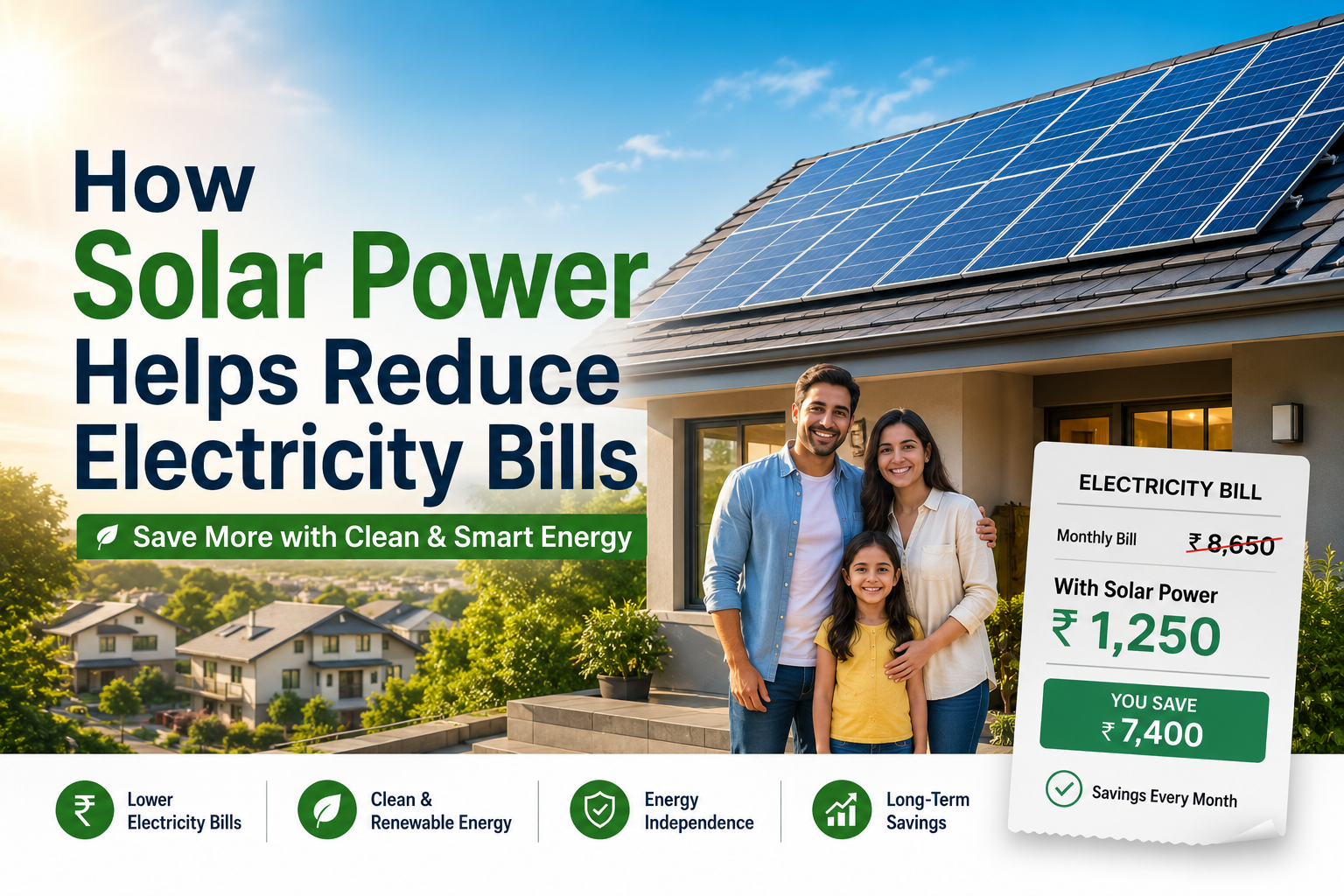
One of the first things homeowners notice after installing solar power systems is a reduction in monthly electricity bills.
Depending on:
- System size
- Electricity usage
- Sunlight availability
Homeowners can reduce electricity costs significantly.
In many cases, solar users save up to:
- 70% to 90% on electricity expenses
This makes solar power a highly attractive long-term investment.
Protection Against Rising Electricity Costs
Electricity prices continue to rise every year due to increasing fuel costs and growing energy demand.
Installing solar power systems helps protect homeowners from future electricity price increases.
Benefits include:
- Stable long-term energy costs
- Reduced exposure to utility rate hikes
- Better financial planning
Because sunlight is free, solar users are less affected by fluctuating electricity prices.
Government Subsidies for Solar Power
Government support programs make solar power more affordable for homeowners.
Many residential solar schemes provide:
- Installation subsidies
- Financial incentives
- Tax benefits in some regions
These programs reduce the upfront installation cost and improve return on investment.
As a result, homeowners can recover their solar investment faster.
Long-Term Financial Savings
Although solar systems require an initial investment, they provide substantial long-term savings.
Most solar power systems recover their installation cost within:
- 3 to 5 years
After the payback period:
- Electricity generation becomes nearly free
- Monthly energy costs remain low for decades
One of the biggest reasons people switch to solar energy is the long-term financial savings it offers.
Solar Battery Storage Benefits
Some homeowners install battery storage systems along with solar power panels.
Advantages of Solar Batteries
- Store excess electricity
- Use stored energy at night
- Provide backup during power outages
- Reduce grid dependence further
Battery storage increases energy independence and improves overall savings.
Environmental Benefits of Solar Power
Besides financial savings,
also benefits the environment.
Solar energy:
- Produces clean electricity
- Reduces carbon emissions
- Lowers air pollution
- Reduces reliance on fossil fuels
Homeowners using solar systems contribute to a cleaner and more sustainable future.
Factors That Affect Solar Savings
Several factors influence how much homeowners save with solar power.
System Size
Larger systems generate more electricity and increase savings.
Electricity Consumption
Homes with higher energy usage often benefit more from solar systems.
Sunlight Availability
Locations with strong sunlight generate higher solar output.
Solar Panel Efficiency
High-efficiency panels convert more sunlight into electricity.
Installation Quality
Professional installation improves performance and long-term reliability.
Choosing the Right Solar Power System
To maximize savings, homeowners should choose the right solar power system based on their needs.
Important factors include:
- Monthly electricity usage
- Roof space
- Budget
- Future energy requirements
Professional solar installers help determine the ideal system size and configuration.
Common Mistakes to Avoid
Avoiding mistakes helps improve solar system performance and savings.
Choosing Cheap Solar Panels
Low-quality panels may reduce efficiency and durability.
Incorrect Installation
Improper installation can lower energy generation.
Ignoring Warranty Details
Always check product and installation warranties carefully.
Wrong System Size
An undersized system may not generate enough electricity for your home.
Future of Solar Power
The future of solar power looks highly promising. Solar technology continues to improve every year.
Future advancements may include:
- Smarter solar systems
- Better battery storage
- Higher efficiency panels
- AI-based energy management
- Solar-powered electric vehicle charging
As technology improves, solar systems will become even more affordable and efficient.
Understanding how solar power helps reduce electricity bills makes it easier to see why millions of homeowners are adopting renewable energy.
Solar systems provide:
- Lower electricity costs
- Long-term financial savings
- Protection from rising energy prices
- Greater energy independence
- Environmental benefits
With government support, modern technology, and increasing electricity costs, solar power has become one of the smartest investments for homeowners.
Switching to solar energy today not only helps reduce electricity bills but also creates a cleaner and more sustainable future for generations to come.