Renewable Energy Solutions: Building a Sustainable Path for Tomorrow
Energy plays a vital role in modern life, powering homes, businesses, industries, and entire cities. However, traditional energy sources such as coal, oil, and gas are limited and harmful to the environment. Rising electricity costs and growing environmental concerns have made people rethink how energy is produced and consumed. This shift has brought renewable energy solutions into the spotlight as a reliable and future-ready alternative.
Today, renewable energy is no longer just an eco-friendly option—it is a smart investment for long-term savings, energy security, and environmental protection.
Understanding Renewable Energy in Simple Terms
Renewable energy comes from natural sources that are constantly replenished, such as sunlight, wind, water, and organic materials. Unlike fossil fuels, these resources do not run out and generate power with minimal environmental damage.
Renewable energy solutions use advanced technology to convert these natural resources into usable electricity. Over the years, improvements in efficiency and affordability have made clean energy accessible to homes, businesses, and industries across the world.
Why the World Is Moving Toward Clean Energy
The global demand for electricity is increasing every year, while conventional energy sources continue to decline. One major reason behind the growing popularity of renewable energy solutions is sustainability. Clean energy ensures that future generations will have access to power without harming natural ecosystems.
Another key reason is cost efficiency. Although the initial installation may require investment, renewable systems significantly reduce electricity bills over time. With government incentives, subsidies, and net-metering benefits, the financial burden has reduced considerably.
In addition, renewable energy helps combat climate change by lowering carbon emissions and reducing dependence on polluting fuels.
Major Types of Renewable Energy Solutions
Solar Energy
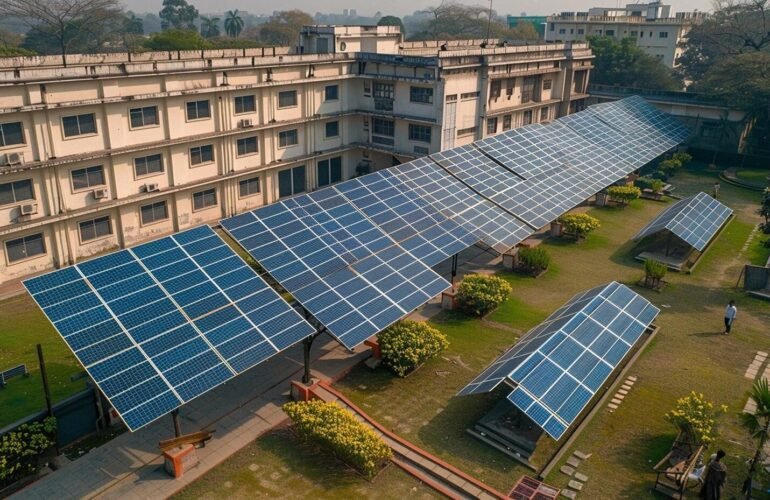
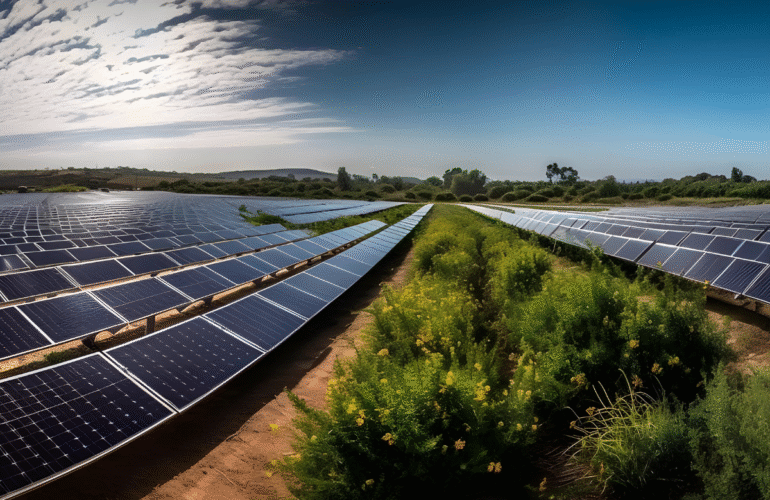
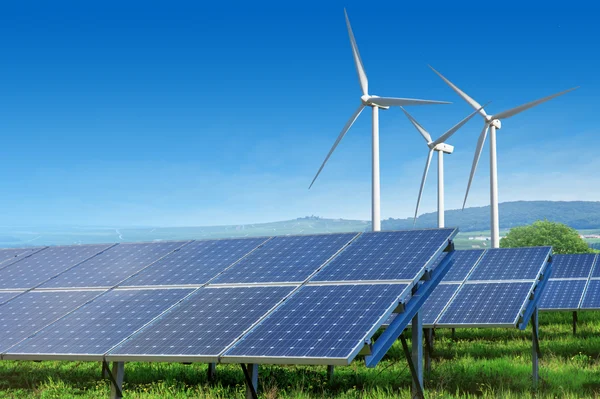
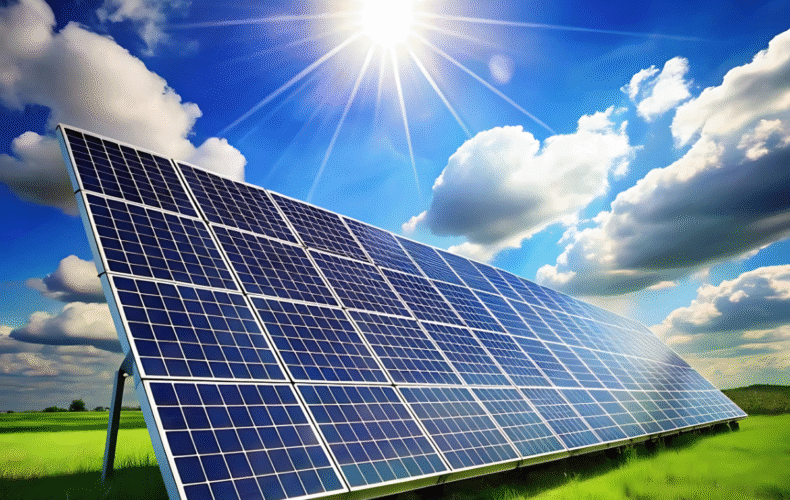
Solar energy is the most commonly adopted renewable power source. It uses sunlight to generate electricity through solar panels. Rooftop solar systems are popular in residential and commercial buildings due to easy installation and high return on investment.
Wind Energy
Wind turbines generate electricity by converting wind motion into energy. This solution is suitable for areas with consistent wind flow and is commonly used for large-scale power generation.
Hydropower
Hydropower generates electricity by harnessing flowing or stored water. It is one of the oldest and most reliable renewable energy sources and supports continuous power generation.
Biomass Energy
Biomass energy is produced from organic waste such as agricultural residues and plant materials. It not only generates power but also helps manage waste efficiently.
Each of these renewable energy solutions serves different needs depending on location, energy demand, and available resources.
Benefits of Renewable Energy for Homes
Homeowners are increasingly adopting renewable energy solutions to reduce monthly electricity expenses and gain energy independence. Rooftop solar systems, in particular, are ideal for residential use.
Key benefits for homeowners include:
- Reduced electricity bills
- Long-term cost savings
- Increased property value
- Low maintenance requirements
- Reduced carbon footprint
With proper installation, renewable systems can last for decades, providing consistent and reliable power.
Renewable Energy for Commercial and Industrial Use
For businesses and industries, energy consumption directly affects operational costs. Adopting renewable energy solutions helps organizations control expenses while improving sustainability.
Commercial and industrial benefits include:
- Lower long-term power costs
- Stable energy supply
- Compliance with environmental regulations
- Improved brand image
- Protection from rising electricity tariffs
Many industries now see renewable energy as a strategic investment rather than an expense.
Government Support and Policy Initiatives
Government policies play a major role in accelerating the adoption of renewable energy solutions. Incentives such as subsidies, tax benefits, and net-metering policies encourage individuals and businesses to switch to clean energy.
In countries like India, government-backed renewable programs have helped expand solar and wind installations in both urban and rural areas. These initiatives aim to reduce dependence on fossil fuels and promote energy self-sufficiency.
Environmental Impact of Renewable Energy
One of the strongest advantages of renewable energy solutions is their positive impact on the environment. Conventional energy sources release harmful emissions that contribute to air pollution and global warming.
Renewable energy helps:
- Reduce greenhouse gas emissions
- Improve air quality
- Protect natural resources
- Support climate change mitigation
Choosing clean energy is a responsible step toward preserving the planet.
Overcoming Challenges with Modern Technology
Despite its benefits, renewable energy has faced challenges such as energy storage and initial installation costs. However, rapid technological advancements are addressing these concerns.
Modern batteries, smart grids, and hybrid systems now allow efficient energy storage and distribution. As technology evolves, renewable energy solutions continue to become more reliable, affordable, and scalable.
How to Choose the Right Renewable Energy System
Selecting the right renewable system depends on several factors, including energy consumption, location, budget, and long-term goals. Professional energy assessment ensures optimal system design and maximum efficiency.
Whether it is a small residential setup or a large industrial installation, expert planning ensures the best return on investment.
The Future of Renewable Energy Solutions
The future of energy depends on clean and sustainable sources. As awareness grows and technology improves, renewable energy solutions will become the primary source of power worldwide.
Investing in renewable energy today ensures financial savings, environmental protection, and energy security for years to come. It is a step toward a cleaner planet and a smarter lifestyle.
The transition to clean energy is no longer a choice—it is a necessity. With rising power demands and environmental challenges, renewable energy solutions offer a sustainable and cost-effective alternative to conventional energy sources.
By adopting renewable systems, individuals and businesses can reduce expenses, minimize environmental impact, and contribute to a greener future. Clean energy is not just an investment in technology—it is an investment in tomorrow.