9 Crucial Tips to Review Before Your Solar Panel Installation
Thinking about switching to solar? Great choice! Solar power has become one of the smartest ways to cut electricity bills, reduce dependency on the grid, and enjoy clean, renewable energy for years. But before you jump in, it’s important to understand that Solar Panel Installation is a long-term investment—one that needs careful planning.
This guide walks you through 9 crucial tips you must consider before starting your Solar Panel Installation. Whether you’re a homeowner, business owner, or completely new to solar, this blog will help you make confident, well-informed decisions.
🌞 1. Evaluate Your Home’s Solar Potential
Before moving ahead with Solar Panel Installation, the first step is understanding whether your rooftop is suitable for solar.
Here’s what you must check:
- Sunlight exposure: Your roof should ideally get 5–6 hours of direct sunlight daily.
- Roof direction: South-facing roofs are the most efficient for solar in India.
- Shade issues: Trees, buildings, or water tanks can block sunlight and reduce production.
- Roof strength: Solar panels last for 25+ years, so your roof must be structurally strong.
If you are unsure, a site survey from a solar company can give you the exact solar potential.
⚡ 2. Know Your Daily Electricity Consumption
Your monthly electricity bill is your best friend here! It helps you determine the right system size.
Look for:
- Average monthly units used (kWh)
- Peak consumption months
- High-consumption appliances like ACs, water heaters, motors, etc.
Once you know your consumption, you can choose the right Solar Panel Installation size (1kW, 2kW, 3kW, etc.) to match your energy needs.
🔌 3. Choose the Right Type of Solar System
Not all solar systems work the same way. Choosing the right type ensures maximum value from your Solar Panel Installation.
🔹 On-Grid Solar System
- Most popular and affordable
- Requires net metering
- No battery backup
- Best for homes in cities
🔹 Off-Grid Solar System
- Comes with batteries for power backup
- Works during power cuts
- Best for rural or remote areas
🔹 Hybrid Solar System
- Combines grid + battery backup
- Zero downtime
- Ideal for businesses or large homes
Your choice should align with your electricity needs, budget, and location.
🏠 4. Check if You Are Eligible for Subsidies
The Indian government offers attractive subsidies for residential rooftop solar systems. Under PM Surya Ghar Yojana:
- 1kW – ₹30,000 subsidy
- 2kW – ₹60,000 subsidy
- 3kW – ₹78,000 subsidy
Before your Solar Panel Installation, confirm eligibility, required documents, and net metering guidelines in your state. Applying early speeds up approvals.
🧰 5. Select the Right Solar Panel Technology
Solar panels vary in performance and efficiency. You mainly choose between:
🔹 Monocrystalline Panels
- High efficiency
- Great for smaller rooftops
- Slightly expensive
🔹 Polycrystalline Panels
- Less expensive
- Slightly lower efficiency
- Good for larger roofs
The right panel type can make your Solar Panel Installation more effective and cost-efficient.
🧪 6. Assess the Quality of Your Solar Inverter
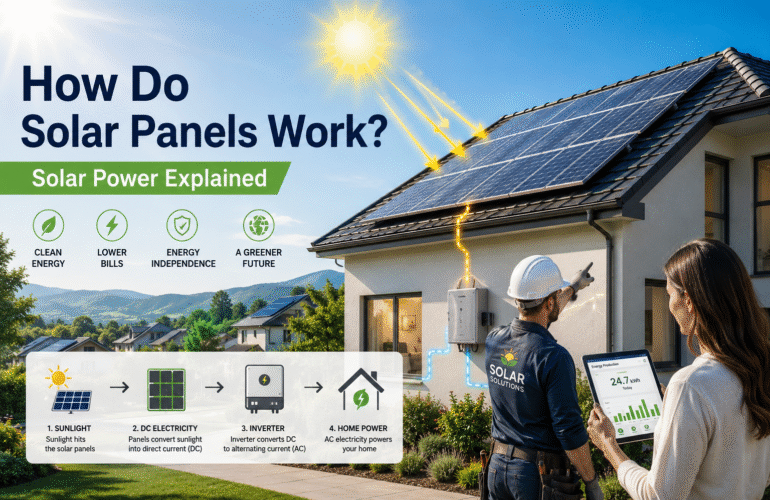
The inverter is the heart of your Solar Panel Installation. It converts DC from your panels into AC for your home.
Types of inverters to consider:
- String Inverter – Common, cost-effective
- Microinverters – High efficiency, panel-level control
- Hybrid Inverter – Works with batteries
Choose a reliable brand with good warranty support. A high-quality inverter ensures smooth power conversion and long system life.
🏗️ 7. Understand Installation Structure & Roof Space Requirements
Before installing solar panels, the mounting structure must be considered.
Important points to review:
- Material quality: Hot-dip galvanized structures are best
- Tilt angle: Usually between 20°–30° for maximum sunlight
- Wind resistance: Should withstand local weather conditions
- Space availability: A 1kW system needs 80–100 sq. ft.
A proper structure ensures stability, safety, and long-term efficiency of your Solar Panel Installation.
🔍 8. Compare Warranties & After-Sales Service
A good Solar Panel Installation includes strong warranties:
- Panels: 10-year product + 25-year performance warranty
- Inverter: 5–10 years
- Batteries: 3–5 years
- Installation: 1-year service warranty
Also, check if the company offers cleaning services, AMC packages, and free inspections. After-sales support is crucial for long-term performance.
📊 9. Estimate Investment, Savings & ROI
Before installing solar, calculate your financial benefits.
Consider:
- Total installation cost
- Subsidy amount
- Monthly electricity savings
- ROI period
- Long-term savings (20+ years)
A typical 3kW Solar Panel Installation can reduce your bill by 60–90% and give full ROI within 3–5 years. After that, electricity is practically free.
Make Your Solar Panel Installation a Smart Investment
Solar has become one of the best ways to reduce electricity bills and enjoy clean energy. But planning is the key to successful Solar Panel Installation. When you evaluate your roof, choose the right system, check subsidies, and pick the right installer, you set yourself up for long-term value.
Solar isn’t just a trend—it’s the future of energy in India.